Patricia Cybele Dias
3 years ago

Fabiana Poleggi
3 years ago
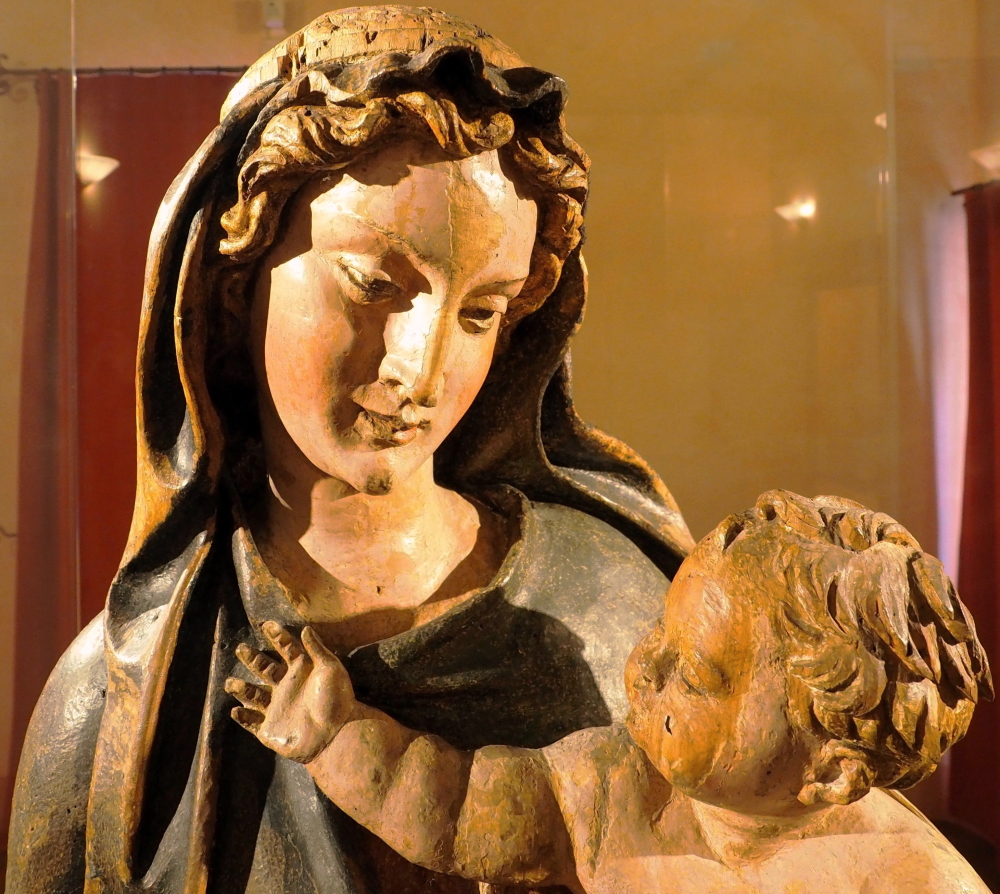
Bellissima la visita al Palazzo Orsini, tante sale affrescate da visitare, splendidi quadri e la meravigliosa statua lignea di Jacopo della Quercia. Una visita da non perdere!!!

Stanisław Łuczak
3 years ago
È un peccato che solo dall'esterno

Ylenia De Mitri
3 years ago
Bel palazzo con una gran raccolta di arte sacra

Bogdan Marcelan
3 years ago
Il Castello e Museo Sforzesco è uno splendido esempio di costruzione. Sorge nel comune di Pitigliano, che costituisce uno straordinario esempio di città sul tufo. Il tufo è un tipo di roccia costituita da cenere vulcanica espulsa da una bocca durante un'eruzione vulcanica. Dopo essere stata espulsa e depositata, la cenere si trasforma in solida roccia. Mi è piaciuta particolarmente la statua del leone all'esterno del castello.

Magi 60
3 years ago
Palazzo storico di Pitigliano, la città del tufo.Molte stanze, interessanti i soffitti a cassettoni,qualche reperto e qualche mobile.Diversi locali sono oscurati da spessi tendoni, ma altri sono inondati dalla luce acceccante del sole, mah!
Non manca il locale delle torture corredato da strumenti vari e, giù di livello la prigione.
Costo del biglietto 7,50.

Isabella Fei
4 years ago
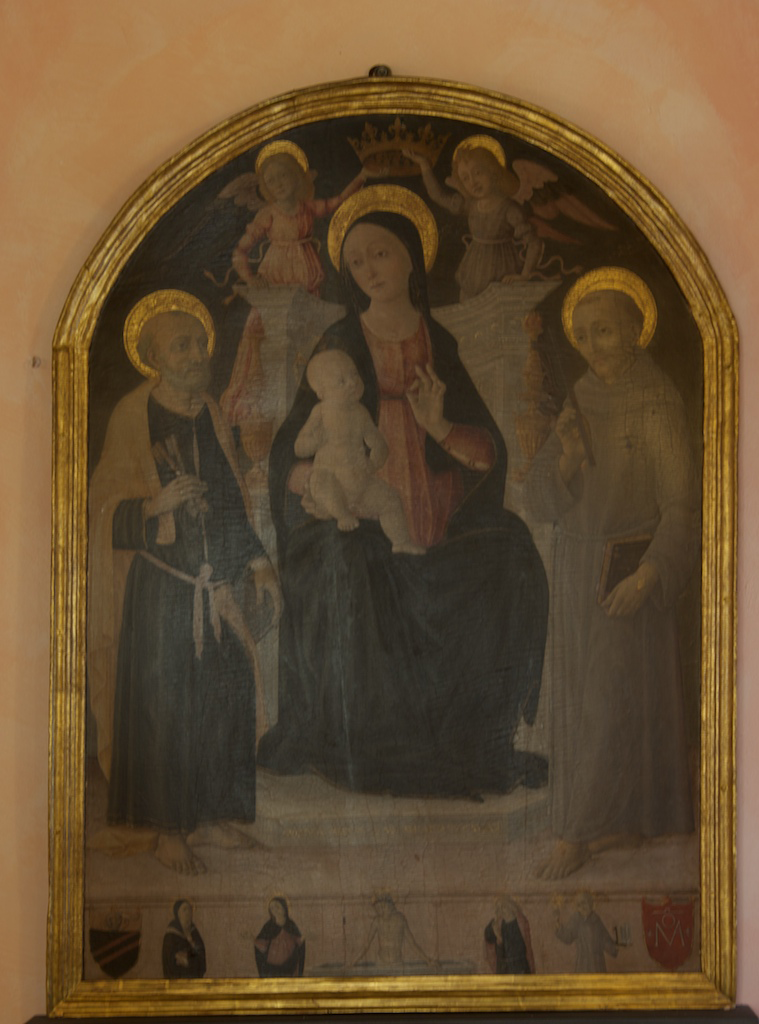
Sicuramente vale la pena di fermarsi a visitarlo. Bellissimo castello all'interno di Pitigliano, borgo costruito con le pietre di tufo. Si entra da un piccolo chiostro. L'interno ospita ora il museo diocesano con dipinti, affreschi del 400 e statue che parlano della vita di Niccolò Orsini. Sono presenti, anche , una piccola stanza delle torture ed un antico frantoio. Eccellente anche la guida, il sig. Loris che ha spiegato tutti i dettagli.

Roberta Critelli
5 years ago
Il palazzo esternamente è ristrutturato male, lo hanno stuccato di bianco. All'interno invece è meglio conservato. Sono presenti affreschi e soffitti in legno dipinti. Ci sono varie statue e dipinti. All'interno c'è un antico frantoio conservato benissimo, una pinacoteca una libreria, varie teche con oggetti e gioielli appartenuti agli orsini. C'è un piccolo museo delle torture e una terrazza da cui si può godere di un bel panorama. Il prezzo di solo 5 euro è irrisorio per un museo di 21 stanze. Sarebbe interessante inserire la possibilità di una guida a pagamento. Il percorso è comunque scorrevole e sono presenti dei pannelli esplicativi. Preferirei Anche un'Audio guida. C'è un bel cagnolone all'ingresso che è tenerissimo. Il personale è cordiale.

Alberto Tonnina
5 years ago
Il Palazzo venne realizzato tra l'XI ed il XII secolo come convento, acquistato successivamente dagli Aldobrandeschi , passa per matrimonio dell'ultima erede agli Orsini sul finire del XIII secolo e trasformato in fortezza su progetto del Sangallo.
Attualmente ospita il Museo e conserva molte opere d'arte racchiuse in ventuno sale.
Si può visitare anche la Sala che conserva strumenti di tortura ed il sottostante Frantoio.
Sono osservate tutte le norme anti-covid19